1 1 2 Fontleroy Embroidery Font Review
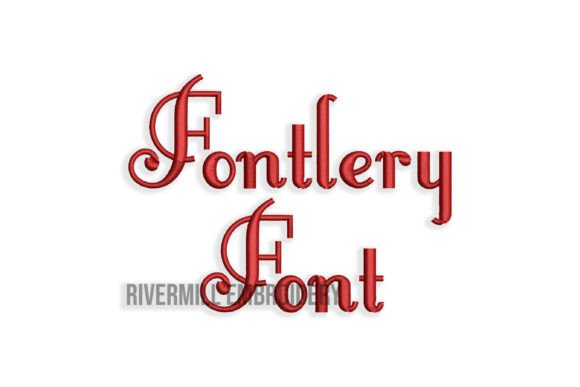
The 1 1 2 Fontleroy Embroidery Font is a versatile and stylish addition to any embroidery designer’s toolkit, especially for those looking to create eye-catching craft fair products and handmade items. With its upper and lower case letters and numbers 0-9 in 1 1 2 size, this PES format design offers a range of possibilities for both small shop products and commercial embroidery projects.
First Impressions: A Timeless and Versatile Design
From the moment you lay eyes on the 1 1 2 Fontleroy Embroidery Font, it exudes a classic yet modern feel. The font strikes a balance between bold and elegant, making it suitable for a wide array of applications. Whether you're aiming for a farmhouse aesthetic or a more refined look, this design adapts well. It doesn’t scream “festival” or “trendy,” but rather feels like a reliable choice that can stand the test of time—perfect for handmade products that customers will want to keep for years.
Best Uses for 1 1 2 Fontleroy Embroidery Font
This font shines on a variety of craft fair products. On tote bags, it adds a subtle yet noticeable touch of personality. On aprons, it becomes a focal point that catches the eye without overwhelming the design. Tea towel embroidery with this font can elevate a simple kitchen accessory into a gift-worthy item. For embroidered patches, it works well as a clean, readable text element that stands out on fabric.
- Tote Bag Design: Ideal for adding a personal touch to reusable shopping bags.
- Apron Embroidery: Adds a professional finish to aprons used in kitchens or workshops.
- Tea Towel Embroidery: Enhances the visual appeal of everyday household items.
- Embroidered Patch: Works well for creating custom patches for jackets, backpacks, or hats.
Practical Selling and Production Considerations
When it comes to selling at a craft fair or online, the 1 1 2 Fontleroy Embroidery Font is easy to work with. Its clear lettering makes it instantly recognizable, even from a distance. This is crucial for booth displays where customers might be browsing quickly. The font also works well as both a small accent and a large focal design, giving you flexibility in how you incorporate it into your product line.
For online listings, the font photographs well, especially when paired with high-contrast thread colors. It also lends itself to printable mockups, allowing you to showcase your finished products effectively. When it comes to batch production, the design is repeatable and consistent, which is essential for small shop products that need to maintain quality across multiple items.
Careful-Use Notes for 1 1 2 Fontleroy Embroidery Font
While the 1 1 2 Fontleroy Embroidery Font is generally user-friendly, there are a few considerations to keep in mind. The stitch density may be higher in certain areas, so it's important to test the design on different fabric textures. Thick fabrics or textured towels may require additional stabilizer to ensure the embroidery sits smoothly. On curved surfaces like caps, the font may need slight adjustments to maintain even spacing and alignment.
On dark fabrics, using a contrasting thread color can help the font stand out. Additionally, while the font is designed for 1 1 2 size, it may lose clarity at smaller sizes, so it's best to avoid using it for tiny details or on very small items.
Impact on Visual Appeal and Customer Engagement
The 1 1 2 Fontleroy Embroidery Font enhances the visual appeal of any handmade product. Its clean lines and balanced proportions make it visually pleasing, which can increase customer attention and interest. For an Etsy seller or boutique maker, this font can contribute to a cohesive brand identity, especially if used consistently across different product types.
At a craft fair, the font helps strengthen your booth display by offering a consistent design element that ties your products together. It also encourages buyer engagement, as customers often gravitate toward items that feel well-designed and thoughtfully crafted.
Embroidery Designer Notes for Success
Before committing to mass production, it's wise to test the 1 1 2 Fontleroy Embroidery Font on scrap fabric. This allows you to assess how it looks on different materials and adjust as needed. Checking thread contrast is also essential—especially if you’re working with dark or light fabrics. Ensuring proper spacing between letters and confirming the hoop size required for the design can prevent issues during the embroidery process.
Using the right stabilizer is crucial, particularly when working with delicate or stretchy fabrics. Creating at least one real mockup before launching a new product line gives you a tangible sense of how the design will appear in the real world. Comparing fabric colors and testing different thread options can further enhance the final look of your finished product.
Finally, always confirm the commercial licensing terms before selling any items featuring the 1 1 2 Fontleroy Embroidery Font. This ensures that your handmade products remain legal and protected, especially if you're planning to sell them online or at larger events.
Conclusion: A Reliable Choice for Craft Fair Sellers
The 1 1 2 Fontleroy Embroidery Font is a solid choice for anyone looking to add a polished and professional touch to their craft fair products. Its versatility, readability, and adaptability make it ideal for a wide range of handmade items. Whether you're an Etsy seller, a Cricut crafter, or a boutique maker, this font has the potential to elevate your designs and attract a wider audience. With careful consideration and proper testing, the 1 1 2 Fontleroy Embroidery Font can become a staple in your collection of design assets.